
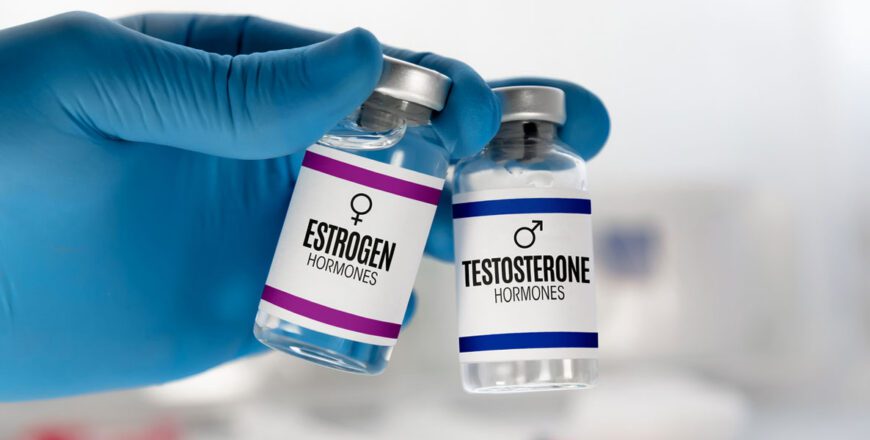
When people hear the word testosterone, they often think of men’s health. However, testosterone is also an important hormone for women. Although women naturally produce much lower amounts than men, testosterone plays a significant role in energy, muscle maintenance, mood, cognitive function, libido, and overall well-being.
As women age, testosterone levels naturally decline. This decrease may become more noticeable during perimenopause and menopause, often occurring alongside changes in estrogen and progesterone. Because symptoms can develop gradually, many women do not realize that low testosterone may be contributing to how they feel.
Understanding the role of testosterone can help women recognize potential signs of imbalance and seek appropriate evaluation when needed.
The Role of Testosterone in Women’s Health
Testosterone is produced primarily by the ovaries and adrenal glands. While it is often overshadowed by estrogen and progesterone in discussions about women’s hormones, it supports several important functions throughout the body.
Healthy testosterone levels help support:
- Energy and stamina
- Muscle strength and maintenance
- Exercise recovery
- Motivation and drive
- Mental focus
- Sexual desire
- Overall sense of well-being
Like all hormones, testosterone works in conjunction with other hormonal systems. When levels decline, symptoms can affect multiple aspects of daily life.
Why Testosterone Levels Decline
A gradual decrease in testosterone is a normal part of aging. Levels typically begin declining during a woman’s reproductive years and continue to decrease over time.
Certain factors may accelerate or amplify this decline, including:
- Perimenopause and menopause
- Surgical removal of the ovaries
- Chronic stress
- Certain medications
- Adrenal dysfunction
- Chronic illness
Because testosterone changes often occur alongside shifts in estrogen and progesterone, symptoms can sometimes be difficult to attribute to a single hormone.
Fatigue and Reduced Stamina
One of the most common symptoms associated with declining testosterone is reduced energy.
Women may notice that they tire more easily throughout the day, feel less resilient during busy periods, or struggle to maintain the same level of physical activity they once enjoyed. Tasks that previously felt manageable may require more effort and recovery time.
While fatigue can have many causes, hormonal changes are an important consideration when symptoms persist despite adequate sleep and healthy lifestyle habits.
Loss of Motivation and Drive
Many women describe low testosterone as feeling less engaged, less motivated, or less enthusiastic about activities they previously enjoyed.
This symptom is often subtle at first. Women may find it harder to start projects, maintain exercise routines, or stay focused on personal goals. Some describe a general sense that they no longer feel like themselves.
Because motivation is influenced by multiple factors, these changes are frequently attributed solely to stress or aging when hormones may be playing a role.
Changes in Muscle Mass and Strength
Testosterone contributes to maintaining lean muscle mass. As levels decline, women may notice gradual changes in body composition, even if their weight remains relatively stable.
Signs may include:
- Reduced muscle tone
- Increased body fat
- Slower exercise recovery
- Decreased strength
- More difficulty building or maintaining muscle
These changes can also affect metabolism, making weight management more challenging over time.
Brain Fog and Cognitive Changes
Testosterone helps support cognitive performance and mental energy. When levels decline, some women experience symptoms such as:
- Difficulty concentrating
- Reduced focus
- Mental fatigue
- Forgetfulness
- Feeling less mentally sharp
These symptoms often overlap with changes associated with estrogen fluctuations during perimenopause and menopause, making comprehensive evaluation important.
Changes in Sexual Health
Low libido is one of the most recognized symptoms of declining testosterone in women.
While sexual wellness is influenced by emotional, physical, and relationship factors, hormones play an important role. Lower testosterone levels may contribute to reduced sexual desire, decreased arousal, and less overall interest in intimacy.
For many women, these changes occur gradually and may be accompanied by other menopausal symptoms.
Mood and Emotional Well-Being
Hormones have a significant influence on emotional health. Some women with low testosterone report:
- Reduced confidence
- Increased irritability
- Low mood
- Emotional flatness
- Decreased sense of well-being
These symptoms can overlap with stress, burnout, or other hormonal changes, which is why a full assessment is often beneficial.
How Low Testosterone Is Evaluated
Because symptoms of low testosterone can mimic other conditions, diagnosis should never be based on symptoms alone.
A comprehensive evaluation may include:
- Medical history
- Symptom assessment
- Review of sleep and stress levels
- Laboratory testing
- Evaluation of estrogen, progesterone, and thyroid function
Looking at the complete hormonal picture helps identify whether testosterone is contributing to symptoms and whether other factors may also be involved.
Can Testosterone Levels Be Addressed?
When symptoms and laboratory findings support treatment, testosterone may be included as part of a personalized hormone optimization plan.
Any hormone therapy should be carefully individualized and medically supervised. The goal is not to achieve excessively high levels, but to restore balance and improve quality of life when a deficiency is contributing to symptoms.
Because every woman has unique health needs and hormone patterns, treatment decisions should always be based on a thorough evaluation rather than generalized recommendations.
Looking at the Bigger Picture
Testosterone is an important part of women’s health, even though it often receives less attention than estrogen and progesterone. Declining levels can affect energy, motivation, body composition, cognitive function, mood, and sexual wellness.
If you have noticed changes that cannot be explained by lifestyle factors alone, hormones may be worth exploring. Understanding how testosterone influences overall well-being can be an important step toward identifying the root cause of symptoms and developing a personalized plan to support long-term health.